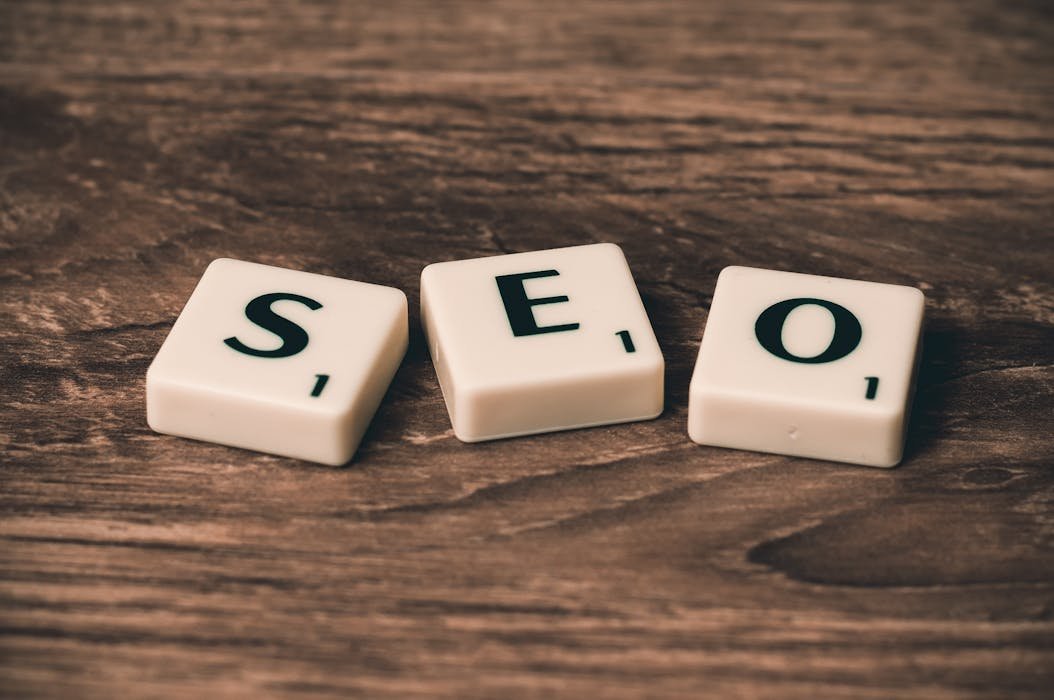
If you have a website, a blog, or an online business, you have probably heard the term SEO thrown around constantly. But what does it actually mean, and why should you care? This guide breaks it all down in plain English — no jargon, no fluff, just the essentials you need to get started.
What Is SEO?
SEO stands for Search Engine Optimization. It is the practice of improving your website so that it shows up higher in search engine results pages (SERPs) when people search for topics related to your content, products, or services.
When someone types “best running shoes for beginners” into Google, the search engine scans its index of billions of web pages and returns the results it deems most relevant and trustworthy. SEO is the work you do to make your site one of those top results.
Unlike paid advertising, SEO focuses on organic traffic — visitors who find you naturally, without you paying per click. Done well, SEO compounds over time: a well-optimized article can drive traffic for years.
Why SEO Matters
Consider this: Google processes roughly 8.5 billion searches every single day. The first result on a Google search page captures around 27% of all clicks. By position 10, that number drops to under 3%. If your site sits on page two or beyond, you are effectively invisible.
SEO matters because:
- It drives qualified traffic. People searching for what you offer are already interested — they just need to find you.
- It builds credibility. High rankings signal authority and trustworthiness to users.
- It is cost-effective long-term. Organic traffic does not stop the moment you pause a campaign budget.
- It works around the clock. Your optimized content keeps attracting visitors while you sleep.
Google Search Central is the official resource where Google explains how it discovers, indexes, and ranks pages — it is worth bookmarking as your primary reference.
The 3 Pillars of SEO
SEO is not a single task. It breaks down into three interconnected disciplines:
1. Technical SEO
Technical SEO ensures that search engines can actually find, crawl, and understand your site. This covers things like:
- Site speed — slow pages frustrate users and get penalized in rankings
- Mobile-friendliness — Google indexes the mobile version of your site first
- Crawlability — making sure bots can access your pages via a clean sitemap and robots.txt
- HTTPS — a basic security signal Google expects
- Core Web Vitals — Google’s user experience metrics (loading, interactivity, visual stability)
A solid technical SEO checklist covers every one of these areas step by step and is a great starting point before you optimize content.
2. On-Page SEO
On-page SEO is everything you do within a page itself to make it more relevant to a target keyword. This includes writing strong title tags, crafting useful meta descriptions, structuring your content with proper headings, using keywords naturally in the body copy, and optimizing images with descriptive alt text.
Read the full on-page SEO guide to master these elements one by one.
3. Off-Page SEO
Off-page SEO covers signals that come from outside your website — most importantly, backlinks. When other reputable websites link to your content, Google treats those links as votes of confidence. The more high-quality backlinks you earn, the more authority your site builds.
Off-page SEO also includes brand mentions, social signals, and your overall reputation across the web.
How Search Engines Decide Who Ranks
Google uses hundreds of ranking signals, but they broadly fall under a framework called E-E-A-T: Experience, Expertise, Authoritativeness, and Trustworthiness. In simple terms, Google wants to surface content that is written by credible people, supported by evidence, and genuinely useful to the searcher.
Relevance and authority work together. A highly authoritative site that publishes a tangentially related article will lose to a focused, well-structured page that directly answers the query.
Quick Wins to Get Started
You do not need to tackle everything at once. Here are four actions that deliver results relatively quickly:
- Claim and optimize your Google Search Console account. It is free, and it shows you exactly which queries are bringing traffic to your site.
- Do basic keyword research. Understand what phrases your audience actually types, not just what you think they type.
- Fix broken links and improve page speed. These technical issues hold back even good content.
- Write one genuinely excellent piece of content. Depth, originality, and usefulness beat volume every time.
The Long Game
SEO is not a switch you flip — it is a long-term investment. Most sites take three to six months to see meaningful results from new optimization efforts, and competitive niches can take longer. But unlike paid ads, the traffic you build through SEO does not disappear the moment you stop spending.
The fundamentals — create useful content, build genuine authority, keep your site technically healthy — have remained consistent even as Google’s algorithms have evolved. Master those, and you will be in a strong position regardless of what changes next.
Want practical SEO strategies delivered straight to your inbox? Subscribe to the SEO Journal newsletter and get weekly tips, case studies, and guides written for real website owners — not just SEO professionals.